
The 🥺 emoji, officially known as the pleading face, is one of the most expressive emojis used in modern digital communication.
It usually represents a pleading, emotional, shy, vulnerable, or affectionate feeling.
Depending on the conversation, someone may send 🥺 to ask for a favor, show that they feel touched, express sadness, or make a request sound softer and cuter.
People often search for the 🥺 meaning in text because emojis do not always have one fixed interpretation.
The same emoji can communicate different emotions depending on the words surrounding it, the relationship between the people, and the situation.
A friend might use 🥺 while asking for a favor, while someone flirting might use it to sound sweet or subtly affectionate.
Understanding the context is therefore more important than treating 🥺 as having one universal definition.
In texting, it can add emotional warmth to an otherwise simple sentence and make the sender appear more vulnerable, playful, or sincere.
Meaning & Definition
The 🥺 emoji generally communicates pleading, vulnerability, sweetness, affection, or an emotional request. Its large, watery-looking eyes give it the appearance of someone asking for something with an innocent or emotional expression.
For example:
- “Can you stay a little longer? 🥺”
- “Please don’t be mad at me 🥺”
- “Can I have one too? 🥺”
- “I missed you 🥺”
- “You actually remembered? 🥺”
In each example, the emoji adds an emotional layer to the message. It can make a request sound gentler rather than demanding.
The emoji can also communicate that someone is feeling emotionally affected. If someone says, “That was so sweet of you 🥺,” they may be expressing genuine appreciation or feeling touched by another person’s actions.
In some conversations, 🥺 has a playful meaning. A person might deliberately exaggerate their emotional expression to persuade someone to agree to something. For example, “Just one more episode? 🥺” is usually not a serious display of sadness. It is a cute or humorous way of asking.
The meaning can also depend on punctuation and surrounding words. “Okay 🥺” may sound shy or emotional, while “Pleaseee 🥺” can sound strongly pleading. “Stoppp 🥺” might indicate embarrassment, affection, or being emotionally overwhelmed.
Therefore, the best general definition is a soft expression of pleading, vulnerability, affection, or emotional sensitivity.
Usage in Different Contexts: Chat, Social Media, and Professional Fields

The meaning of 🥺 changes naturally depending on where it appears.
In casual chat
Friends commonly use 🥺 when asking for something or reacting emotionally.
“Send me the pictures 🥺” can make a straightforward request sound softer and more playful.
“I’m so tired 🥺” can express vulnerability or a desire for sympathy.
On social media
On Instagram, TikTok, X, Facebook, and similar platforms, 🥺 often appears in captions and comments. People may use it when reacting to cute animals, emotional stories, romantic moments, or attractive people.
For example:
“Look at those eyes 🥺”
Here, the emoji can mean that the person finds something extremely cute or emotionally touching.
It can also appear humorously. Someone might write:
“Me pretending I don’t want dessert 🥺”
The emoji exaggerates the person’s supposed innocence.
In professional communication
Using 🥺 at work requires more caution. In a relaxed team chat, it might be acceptable when communicating with colleagues who regularly use emojis. However, it is generally less suitable for formal emails, official requests, job applications, or communication with clients.
For instance, “Could you please send the report today? 🥺” may sound playful among close coworkers but overly casual in a formal business setting.
The important point is that 🥺 is primarily an informal emotional emoji. Its effectiveness depends on the relationship, platform, and tone of the conversation.
🥺 Meaning in Chat, WhatsApp, Instagram, and TikTok
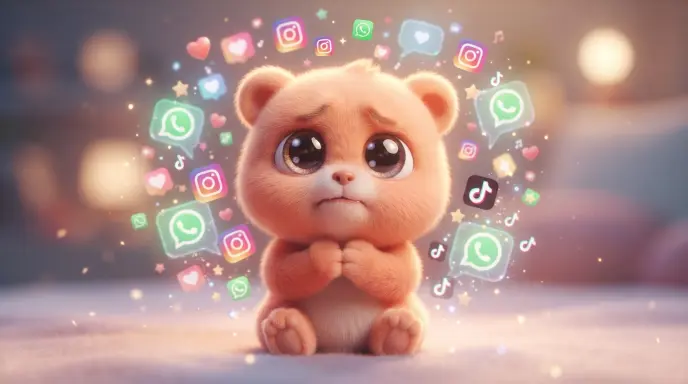
On messaging platforms such as WhatsApp and social networks such as Instagram and TikTok, 🥺 can carry several closely related meanings.
On WhatsApp, 🥺 is frequently used in personal conversations. Someone may use it while asking for a favor, apologizing, expressing affection, or seeking reassurance.
“Don’t leave yet 🥺” can communicate that the person genuinely wants the other person to stay.
“I’m sorry 🥺” can make an apology appear more emotional or vulnerable.
Instagram comments often use 🥺 to express admiration or emotional reactions.
For example:
“Your smile 🥺”
This could mean the commenter finds the person’s smile adorable or attractive.
Likewise, “This is so cute 🥺” uses the emoji to intensify the emotional reaction.
TikTok
TikTok users frequently combine 🥺 with humorous, romantic, dramatic, or relatable content. The emoji can exaggerate a reaction for comedic effect.
A person might comment:
“Why did this make me emotional 🥺”
Here, it communicates tenderness or being emotionally affected.
Texting
In ordinary texting, 🥺 can mean “please,” “aww,” “I’m feeling emotional,” “I’m being shy,” or “I really want this,” depending on context.
It can also be flirtatious. For example:
“You really think I look cute? 🥺”
This could suggest that the sender is enjoying the compliment and responding in a shy or playful manner.
The emoji itself does not automatically make a message romantic. Context, relationship, and accompanying words determine whether the emotion is friendly, affectionate, playful, or flirtatious.
Meaning in Physics, Medical, and Aircraft Terminology

The 🥺 emoji does not have a standard technical meaning in physics, medicine, aviation, or aircraft terminology.
This distinction is important because many abbreviations and symbols used in professional fields have meanings that are completely unrelated to internet emojis.
Physics
In physics, 🥺 is not a recognized scientific symbol, unit, variable, or standard notation. If it appears in a physics-related online discussion, it would normally be a personal emoji added by the writer rather than part of the scientific terminology.
Medical terminology
Similarly, 🥺 does not represent a recognized medical diagnosis, procedure, disease, or clinical measurement. A healthcare professional might use an emoji in an informal message, but its meaning would still be emotional rather than medical.
Aircraft and aviation
The emoji also has no standard aviation or aircraft-related definition. Aviation uses many specialized abbreviations, codes, and symbols, but 🥺 is not normally one of them.
This is particularly useful when researching internet slang because users sometimes encounter the same letters or symbols in multiple fields. An emoji should not automatically be interpreted as a technical abbreviation.
If someone writes 🥺 in a technical conversation, the surrounding sentence is the best clue. It may simply show frustration, nervousness, embarrassment, excitement, or a request for help.
Common Misconceptions About 🥺

One common misconception is that 🥺 always means sadness. Although the emoji can express sadness or vulnerability, it is much broader than that.
It can represent:
- Pleading
- Shyness
- Affection
- Innocence
- Gratitude
- Emotional sensitivity
- Cuteness
- Embarrassment
- A playful request
- Romantic interest
Another misconception is that using 🥺 automatically means someone is flirting. This is not necessarily true. Friends, family members, partners, coworkers, and strangers can all use it.
For example, a friend saying “Bring me some fries 🥺” is probably making a playful request rather than expressing romantic interest.
Another mistake is assuming that every emoji has a dictionary-style meaning that never changes. Digital communication is highly contextual. People creatively adapt emojis to match their personalities and the culture of the platform they are using.
The same message can therefore have different emotional implications depending on the relationship.
For example:
“Don’t go 🥺”
From a romantic partner, it might express affection or attachment.
From a close friend, it might simply mean “I want you to stay.”
The safest approach is to interpret 🥺 alongside the actual words, previous messages, and overall relationship instead of relying on the emoji alone.
Similar Terms and Alternatives
Several emojis can communicate emotions similar to 🥺, but each has a slightly different tone.
🥹
The 🥹 emoji often represents being emotionally touched, grateful, or overwhelmed. It can feel more like “This means so much to me” than a direct plea.
😢
The 😢 emoji is more directly associated with sadness or crying. It generally sounds more serious than 🥺.
😭
The 😭 emoji can represent intense sadness, laughter, excitement, or dramatic emotional reactions. Its interpretation is highly dependent on context.
🙏
The 🙏 emoji can communicate a request, gratitude, hope, prayer, or appreciation. It can be more direct than 🥺 when asking for something.
🥰
The 🥰 emoji is strongly associated with affection, warmth, love, and feeling happy about someone or something.
😳
The 😳 emoji is more closely connected with embarrassment, surprise, or feeling exposed.
Compared with these alternatives, 🥺 has a distinctive combination of pleading and vulnerability. That is why it works particularly well when someone wants to make a request sound cute or emotionally soft.
How to Respond to 🥺
Your response should depend on what the sender actually means.
If someone is making a cute request, you can respond playfully:
“Okay, okay, you win 😂”
If they seem genuinely emotional, a supportive response may be more appropriate:
“Hey, are you okay?”
If the message appears affectionate, you can respond warmly:
“Aww, come here 🥺”
If you are unsure what they mean, there is nothing wrong with asking:
“What does that face mean? 😂”
When someone uses 🥺 while asking for a favor, you can respond according to whether you want to agree.
For example:
“Sure, I can do that.”
Or, if you cannot:
“I wish I could, but I can’t today.”
The emoji does not require a particular response. It simply adds emotional tone to the conversation.
Differences Between 🥺 and Similar Words or Emojis

The difference between 🥺 and similar expressions mainly comes down to emotional intensity and intention.
“Please” is a direct request. Adding 🥺 makes the request sound softer, more vulnerable, or playful.
“Aww” usually expresses that something is cute or touching. 🥺 can communicate a similar reaction but often adds vulnerability.
“Sorry” expresses an apology, while “Sorry 🥺” may make the apology sound more emotional or remorseful.
“I miss you” directly expresses longing. “I miss you 🥺” adds a softer, more emotionally exposed tone.
Likewise, 🥹 and 🥺 are sometimes confused. 🥹 is generally associated with being moved or overwhelmed with emotion, while 🥺 is more strongly associated with pleading, vulnerability, or making a cute request.
The distinction is not absolute because people use emojis creatively. Still, these general patterns can help you understand the intended tone.
Relevance in Online Conversations and Dating Apps

On dating apps, 🥺 can have a more personal or flirtatious undertone, but it should never automatically be interpreted as romantic interest.
For example:
“Are you really not going to ask me out? 🥺”
This could be playful flirting because the sender is indirectly encouraging the other person to make a move.
Another example is:
“You’re leaving already? 🥺”
In a romantic conversation, this may communicate that the person wants more attention or time together.
However, context matters enormously. Someone may use the same emoji simply because it is part of their normal texting style.
On dating apps, 🥺 can soften teasing, make a message appear less demanding, or communicate vulnerability. It can also make a conversation feel warmer and less formal.
If someone sends 🥺 after receiving a compliment, the emoji might indicate shyness or that they enjoyed the compliment.
For example:
“You’re actually making me blush 🥺”
This can suggest that the person feels flattered and slightly embarrassed in a playful way.
Still, a single emoji should not be treated as definitive evidence of romantic interest. The surrounding conversation provides much more reliable information about the sender’s intentions.
🥺 Meaning in Text — FAQs
1. What does 🥺 mean in texting?
The 🥺 emoji usually expresses pleading, cuteness, shyness, sadness, or wanting sympathy. Its exact meaning depends on the conversation.
2. What does 🥺 mean from a girl?
From a girl, 🥺 can show that she feels shy, wants attention, is asking sweetly for something, or is being affectionate. Context matters.
3. Does 🥺 mean “please”?
Yes. 🥺 is often used to make a request sound softer, cuter, or more emotional, similar to saying “please.”
4. Is 🥺 a flirty emoji?
It can be. In romantic or playful conversations, 🥺 may suggest shyness, affection, or gentle flirting, but it is not automatically flirty.
5. What does 🥺 mean from a guy?
A guy may use 🥺 to express vulnerability, affection, sadness, or a playful request. The surrounding messages help determine the intended meaning.
6. What does 🥺 mean on Instagram or Snapchat?
On social media, 🥺 commonly adds a cute, emotional, shy, or pleading tone to captions, comments, and messages.
7. Is 🥺 a sad emoji?
It can represent sadness, but it is not limited to sadness. It can also communicate cuteness, affection, embarrassment, or pleading.
8. What is the difference between 🥺 and 😢?
🥺 often feels softer, cuter, or more pleading, while 😢 more directly communicates sadness or crying.
9. What does 🥺 👉👈 mean in texting?
The combination often suggests shyness, nervousness, embarrassment, or a cute and hesitant request.
10. How should I reply to 🥺?
Your response depends on the context. If someone is making a cute request, you might respond playfully; if they seem sad, a supportive response may be more appropriate.
Conclusion
The 🥺 emoji is a versatile expression commonly associated with pleading, vulnerability, sweetness, shyness, affection, and emotional sensitivity. The exact 🥺 meaning in text depends heavily on context.
Someone may use it to ask for a favor, soften an apology, react to something adorable, express gratitude, or create a playful and affectionate tone.
On WhatsApp, Instagram, TikTok, and other platforms, 🥺 is usually informal and emotionally expressive. It can sometimes appear in flirtatious conversations, but it does not automatically indicate romantic interest. Friends and family members use it just as naturally.
The emoji has no standard technical meaning in physics, medicine, aviation, or aircraft terminology. In those settings, it is generally just an informal emotional symbol if it appears at all.
Ultimately, the words surrounding 🥺 matter more than the emoji by itself. Looking at the conversation, relationship, and overall tone will usually reveal whether it means “please,” “aww,” “I’m shy,” “I’m emotional,” or something more affectionate.

Hi, I’m Jackson Lee, the creator of EnglishIDM. I’m passionate about English words, idioms, phrases, and everyday expressions. I created EnglishIDM to make confusing English meanings simple, clear, and easy to understand. My goal is to help readers build stronger vocabulary and communicate with confidence—one word and phrase at a time.