
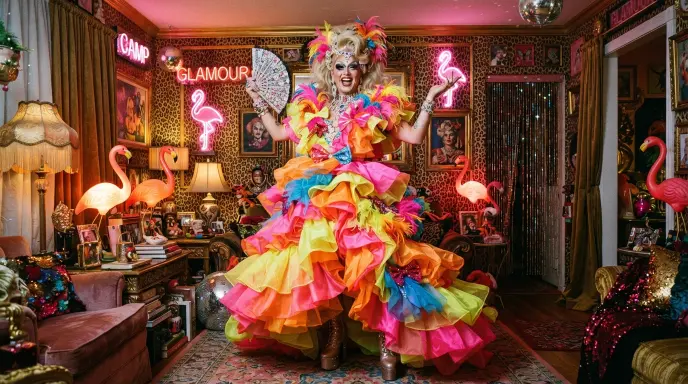
The word “camp” has a traditional meaning connected with tents, outdoor activities, and temporary places to stay.
However, in modern internet culture, camp meaning slang can be quite different. On social media, in text messages, and especially in LGBTQ+ and pop-culture conversations, “camp” often.
Describes something that is deliberately exaggerated, theatrical, dramatic, humorous, or so over-the-top that it becomes entertaining.
People search for the meaning of “camp” because they may encounter phrases such as “That outfit is so camp,” “This movie is camp,” or simply “Camp!” in comments and conversations. Understanding the context is important because the word can be positive, playful, ironic, or occasionally critical.
In contemporary slang, calling something “camp” usually suggests that it embraces exaggeration rather than trying to appear completely serious or realistic.
The term has become especially common in discussions about fashion, entertainment, celebrities, memes, and online humor.
This guide explains how “camp” is used and how to understand it when you see it in a message or social-media post.
Meaning & Definition of “Camp” as Slang
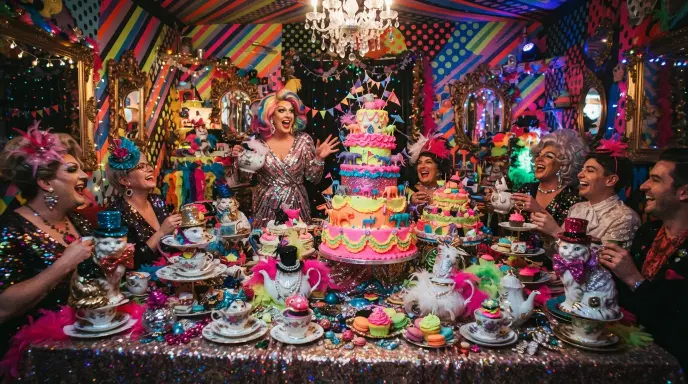
As slang, camp generally refers to an intentionally exaggerated style, personality, performance, or aesthetic. Something described as camp may be dramatic, theatrical, flashy, absurd, glamorous, deliberately cheesy, or humorously excessive.
For example, imagine a performer wearing an extremely elaborate costume, delivering dramatic expressions, and behaving as though they are in a grand theatrical production.
Someone might say, “That performance is so camp.” They are usually not saying that the performance is bad. Instead, they are recognizing its exaggerated quality and finding that quality entertaining.
Camp can also describe movies and television shows. A production might contain unrealistic acting, extravagant costumes, ridiculous dialogue, or dramatic situations. If these elements create an entertaining sense of excess, viewers may call the production “campy.”
The term can sometimes be used positively:
- “Her outfit is camp.”
- “That movie is wonderfully camp.”
- “I love how camp this performance is.”
- “The whole event was pure camp.”
It can also be used humorously or ironically. Someone might intentionally behave in an exaggerated way and describe their own behavior as camp.
An important feature of camp is self-awareness or playful exaggeration. Something isn’t necessarily camp simply because it is strange or dramatic. The concept often involves enjoying the exaggerated style itself.
The slang meaning is strongly associated with popular culture, fashion, theater, drag culture, and LGBTQ+ communities, although it is now widely used online by people from many different backgrounds.
In simple terms, when someone calls something “camp,” they often mean:
It is deliberately dramatic, exaggerated, theatrical, flashy, or absurd in an entertaining way.
The exact meaning depends on the situation and the speaker’s tone.
Usage of “Camp” in Different Contexts
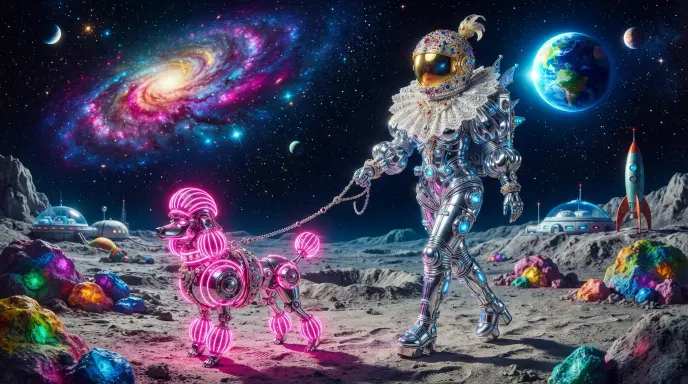
The meaning of “camp” can change depending on where you encounter it. In casual conversation, it often describes an aesthetic or personality. On social media, it can become a short reaction to something unusually dramatic or ridiculous.
In everyday conversation
Someone might say, “Her whole look is camp.” This suggests that the person’s clothing or appearance is intentionally exaggerated or theatrical.
In fashion
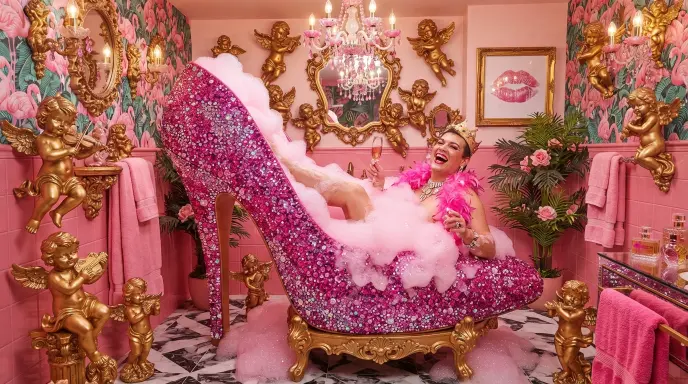
Camp is frequently used to describe clothing that is extravagant, unusual, ironic, or deliberately excessive. A huge feathered outfit, extremely dramatic makeup, or an intentionally ridiculous accessory could all be described as camp.
In entertainment
A movie, television show, music video, or performance can be camp if it embraces melodrama, absurdity, glamour, or exaggerated storytelling.
For example:
“That villain is so camp.”
This could mean the villain is entertaining because their behavior is excessively dramatic rather than realistically frightening.
On social media
Social-media users often use “camp” as a quick compliment or humorous observation:
- “This is camp.”
- “Absolutely camp.”
- “So camp.”
- “The campiness is unmatched.”
The expression can communicate appreciation without requiring a lengthy explanation.
In professional fields
The slang meaning should not automatically be assumed in professional or technical settings. “Camp” has established meanings in fields such as military terminology, outdoor recreation, architecture, and education.
A professional document mentioning a “camp” may simply mean a temporary settlement or organized activity.
Therefore, context matters.
If someone writes “The medical camp begins Monday,” they are almost certainly using the ordinary meaning of camp rather than internet slang.
Likewise, “summer camp,” “training camp,” and “military camp” have conventional meanings unrelated to the modern slang sense.
The safest approach is to look at the surrounding words. If the conversation involves fashion, celebrities, entertainment, humor, or aesthetics, “camp” is more likely to have its slang meaning.
“Camp” Meaning in Chat, WhatsApp, Instagram, and Ikot
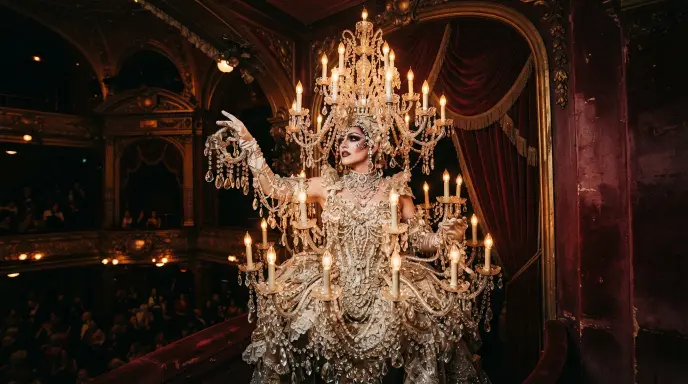
On messaging apps and social platforms, “camp” is often used as a reaction rather than a literal description.
If someone sends you an unusual celebrity photo and you respond “Camp 😂,” you are probably saying that the image is hilariously dramatic, exaggerated, or theatrical.
On WhatsApp, “camp” may appear in casual conversations such as:
“That outfit is camp.”
Here, the person is commenting on the exaggerated style of the outfit.
On Instagram, the term frequently appears in comments about fashion, makeup, photography, celebrity appearances, or unusual visual aesthetics.
Examples include:
- “This look is camp.”
- “Serving camp.”
- “The whole photoshoot is camp.”
- “This is high camp.”
On TikTok, “camp” can be used even more playfully. A creator may intentionally exaggerate their expressions, clothing, storyline, or editing style. Viewers may call the content “camp” because it knowingly embraces absurdity.
What does “so camp” mean?
“So camp” usually means very exaggerated, theatrical, or humorously over-the-top.
What does “campy” mean?
“Campy” is an adjective related to camp. It generally means having qualities associated with camp.
For example:
“The movie is campy.”
This suggests that the movie is exaggerated, theatrical, ridiculous, or intentionally cheesy in an entertaining way.
What does “high camp” mean?
“High camp” generally refers to an especially elaborate or exaggerated form of camp. It can involve extravagant fashion, theatrical behavior, extreme glamour, or deliberately ridiculous presentation.
Because social media often relies on short expressions, “camp” can communicate a surprisingly complex reaction in just one word.
Camp Meaning in Physics, Medical, and Aircraft Terminology
The slang meaning of camp should not be confused with technical abbreviations or terminology that may appear in scientific, medical, aviation, or other professional contexts.
In technical writing, abbreviations can have completely different meanings depending on the field. Therefore, seeing the letters CAMP or the word “camp” in a technical document does not automatically mean the internet slang.
Physics and science
In physics or scientific writing, “camp” may appear as part of a specialized abbreviation, name, notation, or unrelated technical phrase. Its meaning must be determined from the specific subject and surrounding terminology.
A physics textbook using a technical acronym is fundamentally different from a social-media user commenting “That outfit is camp.”
Medical terminology
Medicine contains numerous abbreviations, and similar-looking terms can have very different meanings. “Camp” might appear in the name of a medical program, organization, procedure, compound, or abbreviation.
For example, cAMP is a well-known biochemical abbreviation for cyclic adenosine monophosphate, a molecule involved in cellular signaling. Notice the capitalization and context: cAMP is not the same thing as slang “camp.”
Aircraft and aviation
Aviation also uses many abbreviations and codes. If “CAMP” appears in an aviation document, maintenance record, checklist, or technical communication, its meaning should be interpreted according to that aviation context.
This distinction is particularly important because online slang is informal, whereas technical terminology is usually precise.
Why context matters
Consider these two sentences:
“That costume is camp.”
Here, “camp” is almost certainly slang.
“The aircraft maintenance program requires CAMP compliance.”
Here, it is clearly technical terminology.
The spelling may look identical, but the meaning is entirely different.
Whenever you encounter “camp” outside casual conversation, examine the surrounding information before assuming it refers to internet slang.
Common Misconceptions About the Word “Camp”
One common misconception is that camp simply means “bad.” That is not necessarily true.
A campy movie may be poorly made, but it can also be intentionally theatrical and highly entertaining. People often enjoy camp precisely because it doesn’t take itself too seriously.
Another misconception is that everything unusual is automatically camp. Something can be strange, colorful, or dramatic without being camp. The idea usually involves some form of exaggeration, theatricality, irony, or playful excess.
People also sometimes confuse camp with cringe. The two can overlap, but they aren’t identical. Something may be cringe because it feels awkward or embarrassing, while something camp may deliberately embrace awkwardness or excess for entertainment.
Another misunderstanding involves the phrase “camping.” In traditional English, camping means staying outdoors, usually in a tent or similar temporary accommodation. That’s completely different from saying that a celebrity’s outfit is camp.
The tone can also cause confusion. If someone says:
“That’s camp.”
they may be complimenting it.
If they say:
“That’s so campy.”
they could be appreciating its theatrical quality, joking about it, or criticizing it as excessively cheesy. The surrounding conversation determines the intended tone.
Finally, camp is not restricted to one specific community or art form. Although the concept has important historical connections to queer culture, theater, fashion, and popular culture, the word is now widely used in internet conversations.
Similar Terms & Alternatives to “Camp”
Several words can overlap with the slang meaning of camp, but each carries a slightly different nuance.
Campy
“Campy” is the closest everyday alternative. It means having qualities associated with camp.
Example:
“That horror movie is wonderfully campy.”
Theatrical
“Theatrical” emphasizes dramatic presentation or performance. It doesn’t necessarily include the humorous or ironic quality of camp.
Over-the-top
This describes something excessive or extreme. It can be similar to camp, but something can be over-the-top without being camp.
Cheesy
“Cheesy” often describes something overly sentimental, cliché, or excessively dramatic. Camp can include cheesiness, but camp is broader.
Dramatic
“Dramatic” simply means highly emotional or theatrical. It doesn’t automatically imply irony or playful exaggeration.
Absurd
“Absurd” describes something unreasonable, bizarre, or ridiculous. Camp may be absurd, but absurdity alone doesn’t make something camp.
Iconic
“Iconic” usually means memorable, distinctive, or culturally significant. A camp moment can become iconic, but the words aren’t interchangeable.
Extra
In internet slang, “extra” means excessively dramatic or elaborate. It is often closer to camp than ordinary words such as “strange,” although the meanings remain different.
A useful distinction is:
Camp = exaggerated + theatrical + often playful or self-aware.
How to Respond When Someone Says “Camp”
Your response depends on the context and whether the person is complimenting or criticizing something.
If someone comments “This is camp!” on your outfit, photo, or video, they are often expressing appreciation for its exaggerated or theatrical style.
You could respond casually:
- “Exactly 😂”
- “That was the goal!”
- “I knew you’d get it.”
- “Serving camp!”
- “Glad you noticed!”
If you’re unsure what they mean, simply ask:
“What do you mean by camp?”
That’s especially useful when the conversation isn’t clearly about fashion, entertainment, or internet culture.
If someone says your idea is “camp” and you’re not sure whether they’re joking or criticizing you, don’t immediately assume it’s negative. Ask about their intended meaning.
In dating conversations, the term can also be playful. If someone describes your profile photo as camp, they may be saying that your presentation is dramatically stylish, humorous, or intentionally extravagant.
A good response can match the person’s tone. If they are joking, answer playfully. If they are giving a serious opinion about an artistic style, you can ask what aspect they consider camp.
Differences Between “Camp” and Similar Words
Understanding the difference between camp and related slang can prevent misunderstandings.
Camp vs. cringe:
Cringe usually describes something embarrassing or uncomfortable to watch. Camp can involve exaggerated behavior that is intentionally entertaining. Something can be both camp and cringe, but the words don’t mean the same thing.
Camp vs. cheesy:
Cheesy often means cliché, sentimental, or excessively corny. Camp can be cheesy, but it usually has a stronger connection to theatricality, exaggeration, or deliberate style.
Camp vs. dramatic:
A dramatic person may simply express emotions intensely. A camp person or performance often exaggerates that intensity in a playful or theatrical manner.
Camp vs. weird:
Weird simply means unusual or strange. Camp generally suggests a recognizable aesthetic or humorous appreciation of exaggeration.
Camp vs. ironic:
Irony involves expressing or presenting something in a way that contrasts with its literal meaning or expected interpretation. Camp can be ironic, but not every camp experience is necessarily ironic.
Camp vs. fabulous:
“Fabulous” is generally a positive compliment meaning impressive, glamorous, or excellent. Camp can be fabulous, but it specifically highlights exaggerated or theatrical qualities.
These distinctions are especially important online because one short comment can carry a lot of cultural meaning.
Relevance of “Camp” in Online Conversations and Dating Apps
The word has become particularly useful in online communication because internet culture rewards short, expressive reactions.
On dating apps, someone might describe their personality as “a little camp” or say they enjoy “campy movies.” This can suggest that they appreciate theatrical humor, flamboyant aesthetics, exaggerated fashion, drag, satire, or intentionally ridiculous entertainment.
For example, a dating profile might say:
“Looking for someone who appreciates a good campy horror movie.”
That tells potential matches something about the person’s entertainment preferences and sense of humor.
Someone might also describe a date as “camp” if the experience is unusually theatrical or extravagant.
Online, the term can therefore function as a cultural signal. It may communicate that a person enjoys humor that is exaggerated, playful, self-aware, or intentionally ridiculous.
However, you should avoid assuming too much about someone’s identity based solely on the word. Saying something is camp does not automatically tell you a person’s sexuality, personality, or background.
Because slang evolves quickly, the safest approach is always to consider context. If the word appears alongside discussions about fashion, pop culture, celebrities, memes, or entertainment, the slang interpretation is likely.
If it appears in a technical, medical, aviation, educational, or organizational context, another meaning may apply.
FAQs
What Does Camp Mean In Slang?
In slang, camp describes something intentionally exaggerated, dramatic, theatrical, or humorously over-the-top. It can be used to describe a person, outfit, movie, joke, performance, or style.
Is Camp A Positive Or Negative Word?
Usually, camp is positive or playful. People often use it to praise something for being dramatically funny, extravagant, or intentionally ridiculous.
What Does Camp Mean In Texting?
In texting, camp can mean that something feels exaggerated, theatrical, funny, or deliberately cheesy. For example, someone might call a dramatic outfit or movie scene camp.
What Does Camp Mean On TikTok?
On TikTok, camp often describes content that is exaggerated, theatrical, glamorous, ironic, or intentionally over-the-top. It can also describe a humorous aesthetic or personality.
What Does Camp Mean On Instagram?
On Instagram, camp can describe an exaggerated fashion style, photo, makeup look, caption, or overall aesthetic that embraces drama and humor.
Is Camp The Same As Cringe?
No. Camp and cringe can overlap, but they are different. Camp usually involves intentionally embracing exaggeration or theatricality, while cringe often describes something that feels awkward or embarrassing.
What Is An Example Of Camp?
A person wearing an extremely dramatic outfit with oversized accessories and posing seriously for a humorous effect could be described as camp.
How Do You Use Camp In A Sentence?
You can say, That outfit is so camp. Another example is, The movie is wonderfully camp and completely over-the-top.
Does Camp Mean Gay?
Not necessarily. Camp is not a synonym for gay. The term can relate to theatrical, exaggerated, or flamboyant styles, which may appear in LGBTQ+ culture, but anyone or anything can be described as camp.
Why Do People Say Something Is Camp?
People often call something camp when they enjoy its exaggerated, dramatic, ironic, or intentionally ridiculous style. It can be a way of appreciating something that is so extravagant that it becomes entertaining.
Conclusion
The modern camp meaning slang is centered on exaggeration, theatricality, humor, and deliberate excess. When someone calls an outfit, movie, performance, personality, or social-media post “camp,” they are often pointing out that it is dramatically stylish, absurd, flashy, or intentionally over-the-top.
The term is particularly common in conversations about fashion, entertainment, celebrity culture, memes, and online humor. It can be used as a compliment, a joke, or an observation, so tone and context are important.
“Camp” is also different from related words such as “cringe,” “cheesy,” “dramatic,” and “weird.” While these concepts can overlap, camp usually carries an element of theatrical exaggeration and playful appreciation.
At the same time, remember that camp has many non-slang meanings. In medical, scientific, aviation, military, and other professional contexts, it may refer to something entirely unrelated to internet culture.
In short, when you see “camp” in a casual online conversation, think dramatic, exaggerated, theatrical, and entertainingly over-the-top—then use the surrounding context to confirm the meaning.

Hi, I’m Jackson Lee, the creator of EnglishIDM. I’m passionate about English words, idioms, phrases, and everyday expressions. I created EnglishIDM to make confusing English meanings simple, clear, and easy to understand. My goal is to help readers build stronger vocabulary and communicate with confidence—one word and phrase at a time.